Cart
0
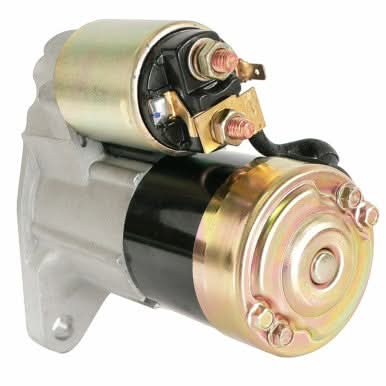
Remanufactured Starters and the Science of Reliable Engine Reawakening
When a vehicle refuses to start, most drivers focus on the battery or alternator. Yet the starter motor is the precise mechanical link that initiates combustion. Without it, the engine cannot turn over and the entire ignition sequence fails. At Rebuild Masters, we approach remanufactured starters not as simple replacement parts, but as engineered systems that restore torque delivery, electrical integrity, and long term reliability.
Understanding the Starter’s Mechanical Role
A starter motor converts electrical energy from the battery into mechanical rotation. Through the solenoid and pinion gear, it engages the flywheel and rotates the crankshaft until the engine reaches sufficient speed to sustain combustion on its own. This process demands controlled torque, accurate gear alignment, and dependable electrical conductivity.
Over time, components such as brushes, armatures, bearings, and solenoids degrade due to heat cycles, vibration, and electrical arcing. Instead of discarding the entire unit, remanufacturing restores each critical component to precise operational standards.
What Makes Remanufacturing Different From Basic Rebuilding
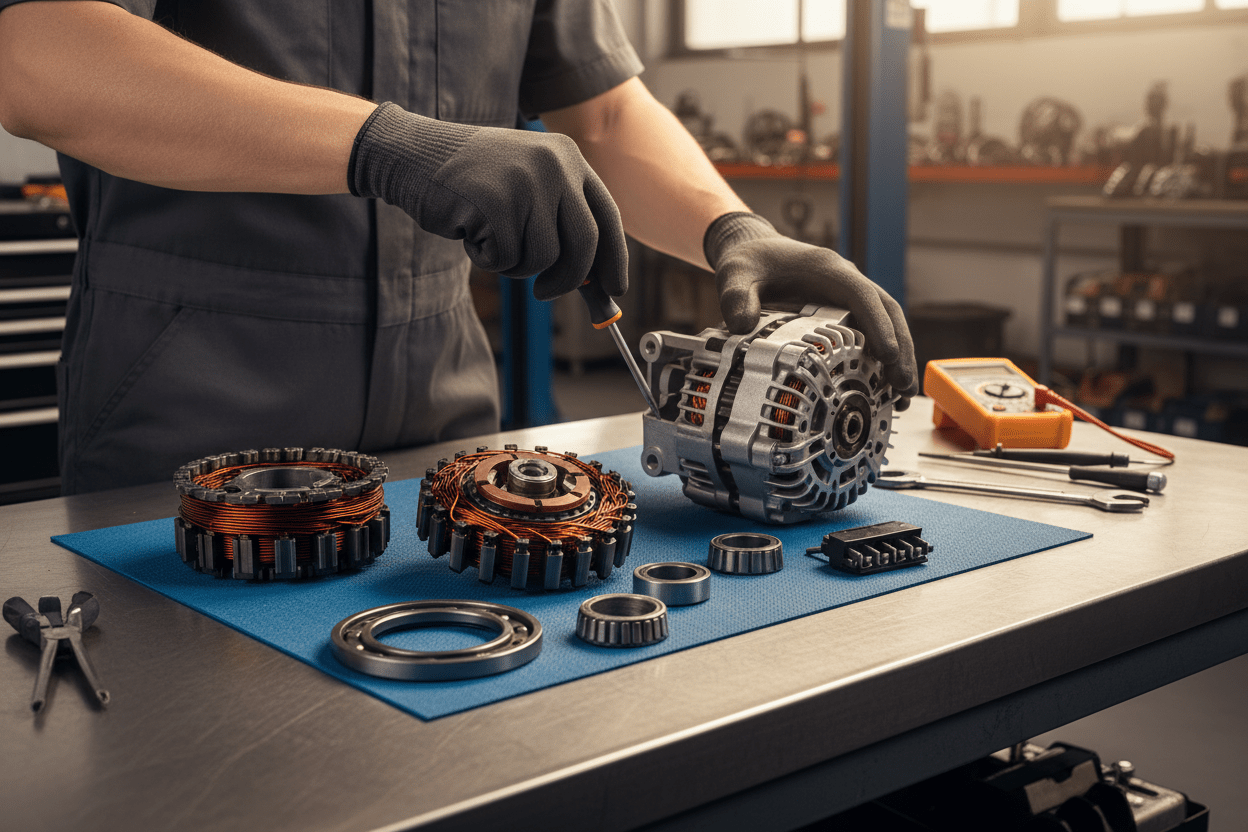
A basic rebuild often involves replacing only visibly worn components. Remanufacturing is more comprehensive. It begins with complete disassembly and core evaluation. Each part is measured against manufacturer specifications for electrical resistance, mechanical tolerances, and structural integrity.
Key processes typically include:
• Armature testing for shorts and grounding faults
• Commutator resurfacing and undercutting
• Replacement of bushings and bearings
• Installation of new brushes and solenoids
• Load testing under simulated operational conditions
This systematic approach ensures that the remanufactured starter performs at or near original equipment standards.
A Unique Advantage: Electrical System Compatibility Analysis
One often overlooked issue in starter replacement is compatibility with the broader electrical system. Modern vehicles have complex current draw profiles. Installing a unit without considering voltage drop, cable condition, and battery capacity can lead to repeated failures.
We emphasize electrical compatibility analysis as part of the remanufacturing evaluation. By understanding the relationship between the starter and the vehicle’s charging system, we reduce premature wear and enhance overall reliability. This perspective shifts the focus from part replacement to system optimization.
Cost Efficiency Without Compromising Engineering Standards
Remanufactured starters provide significant cost advantages compared to brand new OEM units. However, affordability should never compromise technical standards. The value lies in reclaiming structurally sound cores and restoring them through precise machining and quality controlled component replacement.
Fleet operators, commercial vehicle owners, and repair shops benefit from this balance of performance and economic efficiency. A properly remanufactured unit can deliver comparable service life at a fraction of new part cost.
Sustainability and Material Recovery
The automotive industry generates substantial material waste. Remanufacturing contributes to sustainability by reducing raw material extraction and minimizing landfill disposal. Steel housings, copper windings, and aluminum components are retained and restored rather than discarded.
This circular approach supports responsible resource management while maintaining mechanical integrity. For businesses aiming to reduce environmental impact without sacrificing operational reliability, remanufactured components represent a practical solution.
Performance Testing and Quality Assurance
A critical differentiator in high quality remanufacturing is dynamic testing. Bench testing under load simulates real world starting conditions. Voltage, amperage draw, torque output, and engagement speed are verified before the unit is approved.
At Rebuild Masters, our quality assurance protocols ensure that each remanufactured starter meets defined performance benchmarks before release. This reduces installation risk and enhances customer confidence.
Extending the Life of Commercial and Heavy Duty Applications
Heavy duty vehicles and industrial equipment place greater stress on starter motors due to higher compression ratios and extended cranking demands. Remanufacturing for these applications requires reinforced components and careful calibration.
By addressing high torque requirements and thermal management considerations, we help extend the lifecycle of equipment operating in demanding environments such as construction, logistics, and agriculture.
Why Remanufactured Starters Represent a Strategic Choice
Choosing a remanufactured starter is not simply a cost saving measure. It is a strategic decision grounded in engineering precision, sustainability, and system level reliability. When performed correctly, remanufacturing restores performance while preserving valuable materials and controlling operational expenses.
Rebuild Masters focuses on delivering remanufactured starters that meet rigorous standards of durability and performance. By combining detailed inspection, component renewal, and controlled testing, we provide solutions that restore confidence every time an engine turns over.
A dependable start is not accidental. It is the result of careful engineering, disciplined quality control, and a commitment to mechanical excellence.