Cart
0

Remanufactured Alternators and the Science of Electrical Reliability in Modern Vehicles
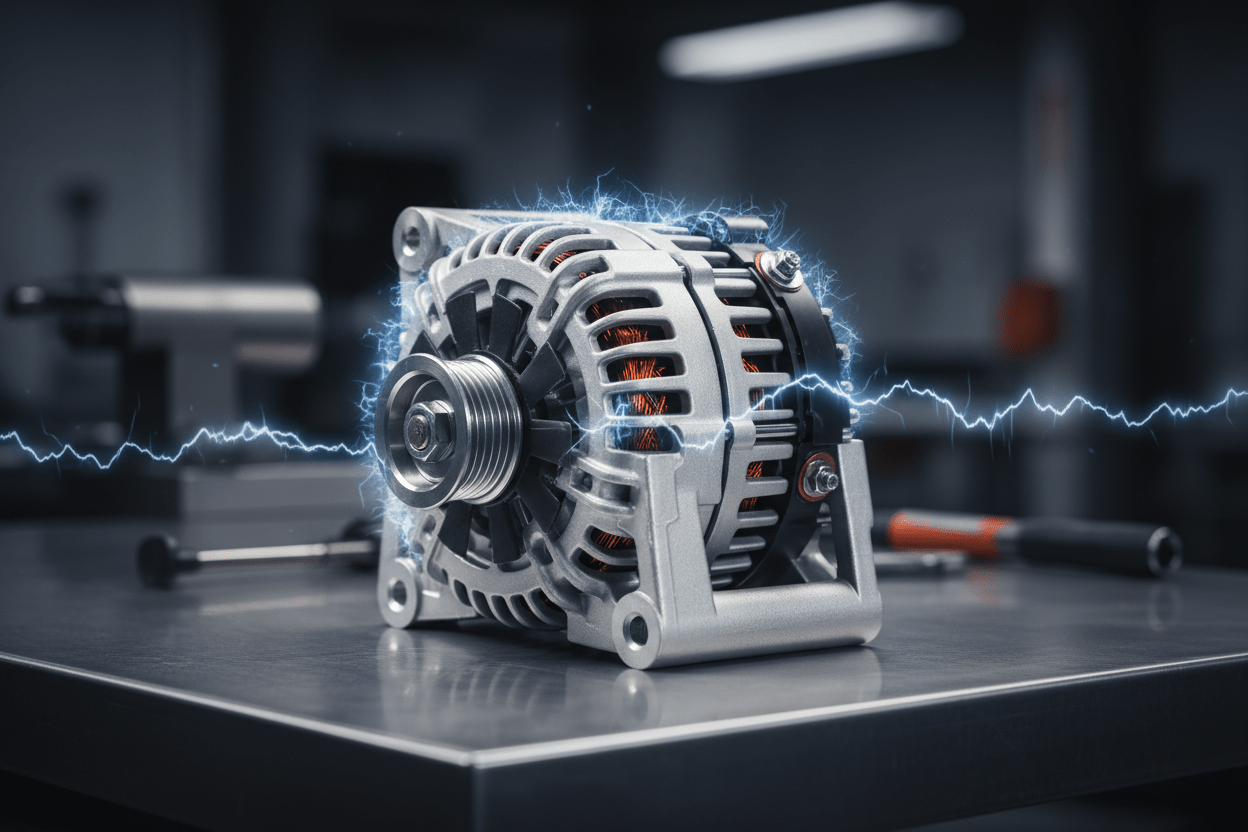
In today’s vehicles, electrical stability is no longer a secondary consideration. Advanced driver assistance systems, integrated infotainment units, electronic steering, fuel injection management, and onboard diagnostics all depend on consistent voltage supply. At the center of this ecosystem is the alternator. When it fails, performance issues quickly cascade across multiple systems. That is where remanufactured alternators offer a technically sound and economically responsible solution.
At Rebuild Masters, we approach alternator remanufacturing as a precision engineering process rather than a simple repair. Our work is guided by electrical performance standards, materials science, and real world load testing to ensure that every unit meets demanding operational expectations.
Understanding the True Role of an Alternator
An alternator converts mechanical energy from the engine into electrical energy to power vehicle systems and recharge the battery. In older vehicles, this primarily supported ignition and lighting. In modern platforms, however, electrical loads are significantly higher. Heated seats, advanced safety sensors, high output sound systems, navigation units, and multiple control modules all demand stable current.
Voltage instability can cause flickering lights, erratic sensor readings, reduced battery life, or even premature failure of electronic modules. A remanufactured alternator must therefore deliver consistent amperage output under varying RPM conditions and temperature fluctuations.
What Makes Remanufacturing Technically Superior to Basic Repair
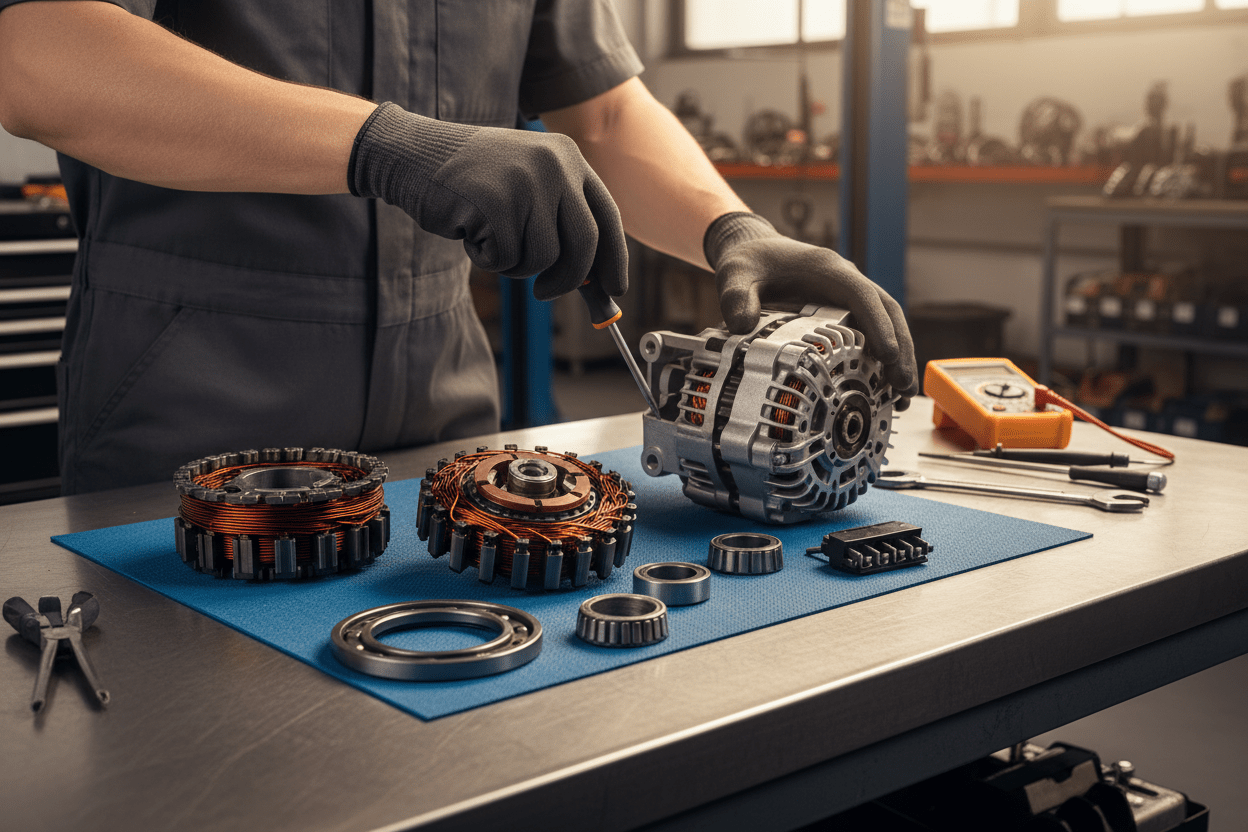
A basic alternator repair often addresses only the visibly failed component. A remanufactured alternator, when engineered correctly, involves complete disassembly, inspection, and requalification of all major components.
The process typically includes:
• Full teardown and cleaning of the housing
• Replacement of bearings, brushes, and slip rings
• Inspection and testing of the rotor and stator windings
• Replacement or recalibration of the voltage regulator
• Rectifier testing and diode replacement when required
• Dynamic performance testing under simulated load
By renewing wear components and validating electrical integrity, remanufacturing restores the alternator to operational specifications that align with or closely approach OEM standards.
At Rebuild Masters, we integrate structured testing protocols so that each unit is evaluated under realistic load cycles rather than static bench checks alone.
A Unique Perspective: Remanufactured Alternators as Risk Management
A distinctive way to view remanufactured alternators is through the lens of risk mitigation rather than simple cost savings.
Fleet operators, delivery services, and commercial vehicle owners face financial exposure from unexpected downtime. An alternator failure on a commercial route can disrupt logistics, delay service, and reduce revenue. Selecting a properly remanufactured alternator reduces the statistical probability of early repeat failure.
By renewing critical wear components and validating output consistency, remanufactured units help control operational risk. For fleet managers, this translates into more predictable maintenance cycles and improved asset utilization. This approach reframes remanufacturing from a reactive solution to a proactive reliability strategy.
Environmental Engineering and Circular Manufacturing
Beyond performance, remanufacturing supports circular manufacturing principles. Alternators contain aluminum housings, copper windings, and steel components. Reusing structurally sound parts significantly reduces raw material extraction and manufacturing energy requirements.
Compared to producing a brand new alternator from raw materials, remanufacturing lowers carbon output and reduces industrial waste. The environmental benefit is not theoretical. It is measurable through material conservation and energy savings across the supply chain.
When customers choose remanufactured alternators, they contribute to responsible resource utilization without compromising electrical performance.
The Importance of Load Testing and Quality Control
Not all remanufactured alternators are equal. The difference lies in testing methodology.
Critical evaluation includes:
• Output voltage stability across RPM ranges
• Thermal resistance under extended load
• Noise and vibration analysis
• Diode rectification accuracy
• Regulator response time
A unit that passes superficial inspection may still fail under real operating conditions if these parameters are not validated. Structured quality control procedures ensure long term durability.
We emphasize comprehensive diagnostics because electrical reliability cannot be assumed. It must be verified.
Cost Efficiency Without Compromise
Cost remains an important consideration for vehicle owners. Remanufactured alternators typically provide substantial savings compared to brand new OEM replacements. However, the real value lies in performance per dollar spent.
When remanufacturing is executed correctly, customers receive:
• Restored electrical output capacity
• Extended service life
• Reduced risk of premature failure
• Responsible environmental impact
This combination delivers both economic and technical value.
When Should You Consider a Remanufactured Alternator
Common indicators of alternator degradation include:
• Dim or flickering headlights
• Battery warning light activation
• Slow engine cranking
• Electrical accessory malfunction
• Unusual bearing noise
Early intervention prevents secondary damage to batteries and electronic control modules. Addressing alternator issues promptly reduces the likelihood of compounding repair costs.
Engineering Confidence in Every Unit
Remanufacturing is not merely about rebuilding a component. It is about restoring system integrity. In a vehicle increasingly defined by electronic complexity, alternator reliability becomes foundational.
At Rebuild Masters, we apply disciplined engineering practices to ensure our remanufactured alternators meet the performance expectations of modern vehicles. By combining technical precision, environmental responsibility, and rigorous quality control, we provide solutions that support long term electrical stability.
For drivers, fleet managers, and automotive professionals seeking dependable power generation without unnecessary expenditure, remanufactured alternators represent a strategically sound investment.