Cart
0
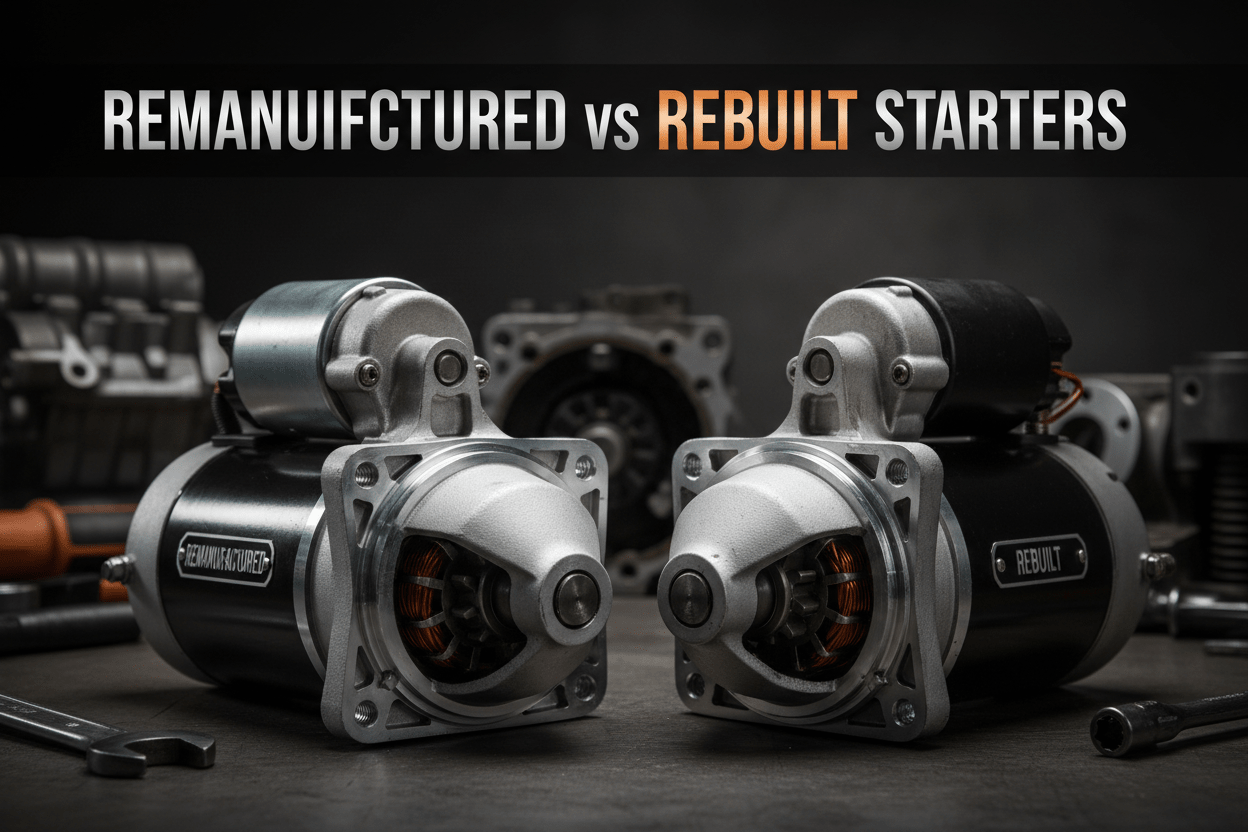

Remanufactured Starters vs Rebuilt Starters: Understanding the Difference
When a vehicle starts showing signs of ignition trouble, one of the most common solutions is replacing the starter. During the search for a replacement, many drivers come across two terms that seem almost identical at first glance: remanufactured starters and rebuilt starters. Although both options are designed to restore functionality and provide a more affordable alternative to brand new units, there are important differences between the two.
At Rebuild Masters, we often help customers understand which option is the right fit for their vehicle, budget, and long term reliability needs. Knowing how each type of starter is restored can make a major difference in performance, lifespan, and overall value.
What Is a Starter Motor?
A starter motor is an essential component of a vehicle’s ignition system. It is responsible for turning the engine over when the key is turned or the start button is pressed. Without a properly functioning starter, the engine cannot begin the combustion process.
Because starters endure repeated electrical and mechanical stress, wear over time is inevitable. Common symptoms of a failing starter include slow cranking, clicking noises, intermittent starting problems, or complete failure to start.
When replacement becomes necessary, many vehicle owners choose either a rebuilt or remanufactured starter to save money compared to purchasing a completely new OEM unit.
What Is a Rebuilt Starter?
A rebuilt starter is a used starter that has been repaired by replacing only the components that are visibly worn out or damaged. The goal of rebuilding is to restore the unit to working condition while reusing as many original parts as possible.
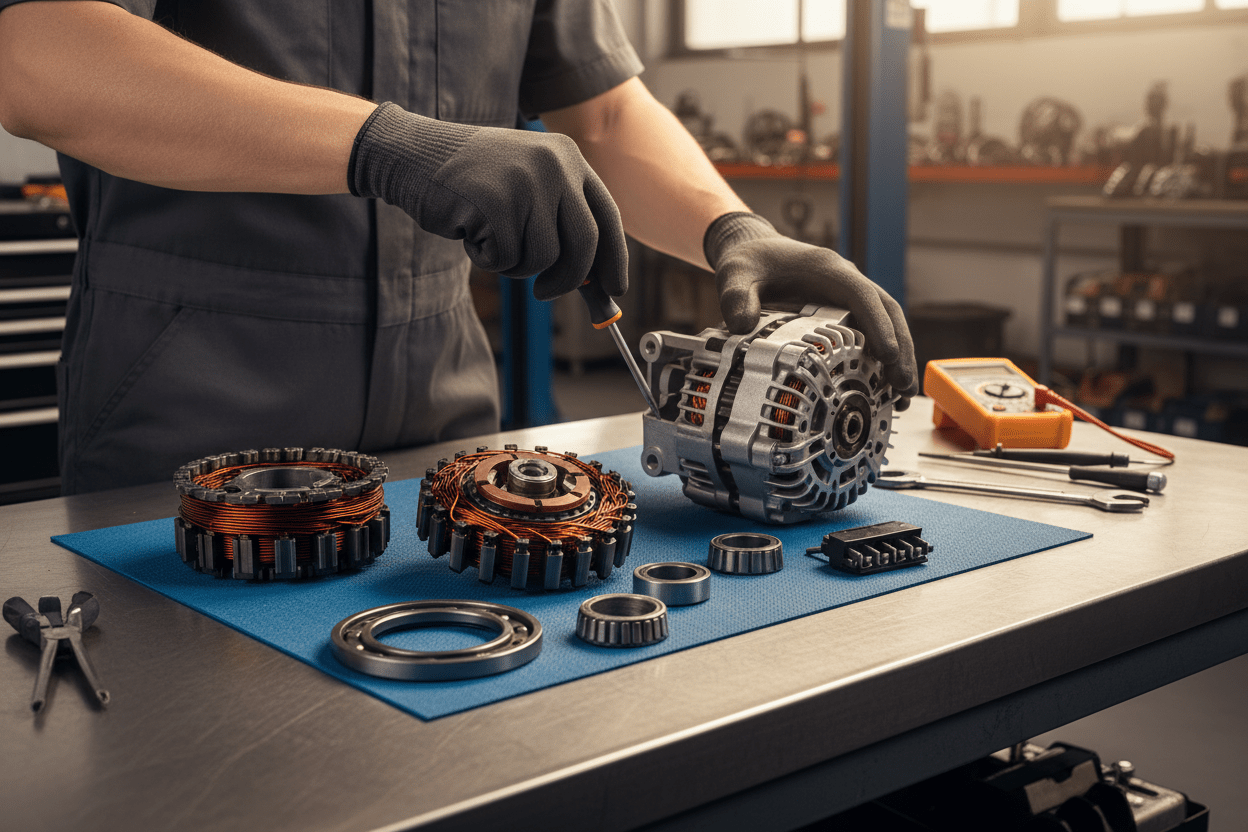
During the rebuilding process, a technician typically disassembles the starter, inspects the internal components, replaces failed parts, cleans the assembly, and tests the unit before resale. Components such as brushes, bearings, bushings, or solenoids may be replaced if they no longer meet acceptable standards.
However, not every internal component is necessarily replaced during a rebuild. Parts that still appear functional are often reused, even if they already have some degree of wear.
This makes rebuilt starters a cost effective option for drivers seeking an affordable repair solution. In many cases, a properly rebuilt starter can provide reliable performance for years. The quality, however, depends heavily on the experience of the rebuilder and the thoroughness of the inspection process.
What Is a Remanufactured Starter?
A remanufactured starter goes through a much more comprehensive restoration process. Unlike a standard rebuild, remanufacturing aims to return the starter to near original factory specifications.
The process usually involves complete disassembly, extensive cleaning, replacement of critical wear components, machining where necessary, detailed testing, and strict quality control procedures. Many remanufactured starters receive entirely new internal components regardless of whether the original parts still function.
The armature, solenoid, drive gear, bearings, brushes, bushings, and electrical contacts are commonly replaced or restored to meet precise standards. The housing may also be refinished to improve durability and appearance.
Because remanufacturing follows stricter procedures, these starters often deliver more consistent reliability and performance compared to basic rebuilt units.
Key Differences Between Rebuilt and Remanufactured Starters
The main difference lies in the depth of restoration and quality control.
A rebuilt starter focuses primarily on repairing failed components to restore operation. A remanufactured starter focuses on restoring the entire unit to a condition that closely matches original factory performance.
Rebuilt starters may retain more used parts, while remanufactured starters typically receive a larger number of new replacement components. This often leads to improved durability and reduced risk of premature failure in remanufactured units.
Testing standards also vary. Rebuilt starters may undergo basic operational testing, whereas remanufactured starters are frequently subjected to more advanced testing procedures to verify torque output, electrical performance, and reliability under load conditions.
The price difference reflects these processes. Rebuilt starters are generally less expensive upfront, while remanufactured starters usually cost slightly more because of the additional labor, parts, and quality assurance involved.
Which Option Is Better for Your Vehicle?
The answer depends on your priorities, driving habits, and vehicle requirements.
For drivers seeking the lowest possible replacement cost, a quality rebuilt starter can be an excellent solution. It can restore reliable starting performance without the higher expense of a new unit.
For those who prioritize long term dependability, remanufactured starters are often the better investment. Vehicles used for daily commuting, commercial work, long distance travel, or harsh driving conditions may benefit from the added consistency and durability that remanufacturing provides.
Older vehicles with hard to find starter assemblies can also benefit from remanufactured options because the restoration process tends to address more potential weak points before installation.
At Rebuild Masters, we understand that every customer has different needs. That is why we focus on providing dependable solutions backed by careful inspection and quality workmanship.
Are Remanufactured Starters Worth the Extra Cost?
In many situations, yes. Although the initial price may be higher, remanufactured starters often provide greater long term value because they are designed to meet tighter performance standards.
A lower risk of repeat failures can help reduce labor costs, downtime, towing expenses, and inconvenience later. For fleet operators and drivers who rely heavily on their vehicles, this added reliability can make a significant difference.
That said, not all remanufactured starters are created equally. The quality of the restoration process matters just as much as the label itself. Choosing a trusted supplier with proper testing procedures is essential.
Common Myths About Rebuilt and Remanufactured Starters
One common misconception is that rebuilt and remanufactured starters are exactly the same. While both involve restoring used components, the methods and standards can differ substantially.
Another myth is that rebuilt starters are unreliable. In reality, many rebuilt units perform very well when restored by experienced technicians using quality replacement parts.
Some drivers also assume that brand new starters are always superior. However, certain aftermarket new starters may use lower quality materials than professionally restored OEM units. In some cases, a well remanufactured starter can outperform a cheaper new replacement.
Choosing a Reliable Starter Supplier
Whether selecting a rebuilt or remanufactured starter, the supplier matters as much as the product itself. Buyers should look for companies that prioritize testing, component quality, and customer support.
Warranty coverage is another important consideration. A strong warranty often reflects confidence in the restoration process and provides peace of mind for the customer.
At Rebuild Masters, we believe that quality restoration begins with attention to detail. Every starter should be carefully inspected, tested, and restored with reliability in mind so customers can drive with confidence.
Understanding the difference between remanufactured and rebuilt starters helps vehicle owners make smarter purchasing decisions. While both options can restore starting performance and save money compared to new OEM replacements, they differ significantly in restoration depth, testing standards, and long term reliability.
Rebuilt starters are often ideal for budget conscious repairs and everyday use. Remanufactured starters typically provide more comprehensive restoration and greater consistency for drivers seeking maximum dependability.
The right choice ultimately depends on your vehicle, budget, and expectations. By choosing a trusted supplier that values quality workmanship, drivers can ensure they receive a starter that delivers dependable performance mile after mile.