Cart
0
 How Chevrolet Alternators Differ Across Popular Chevy Models
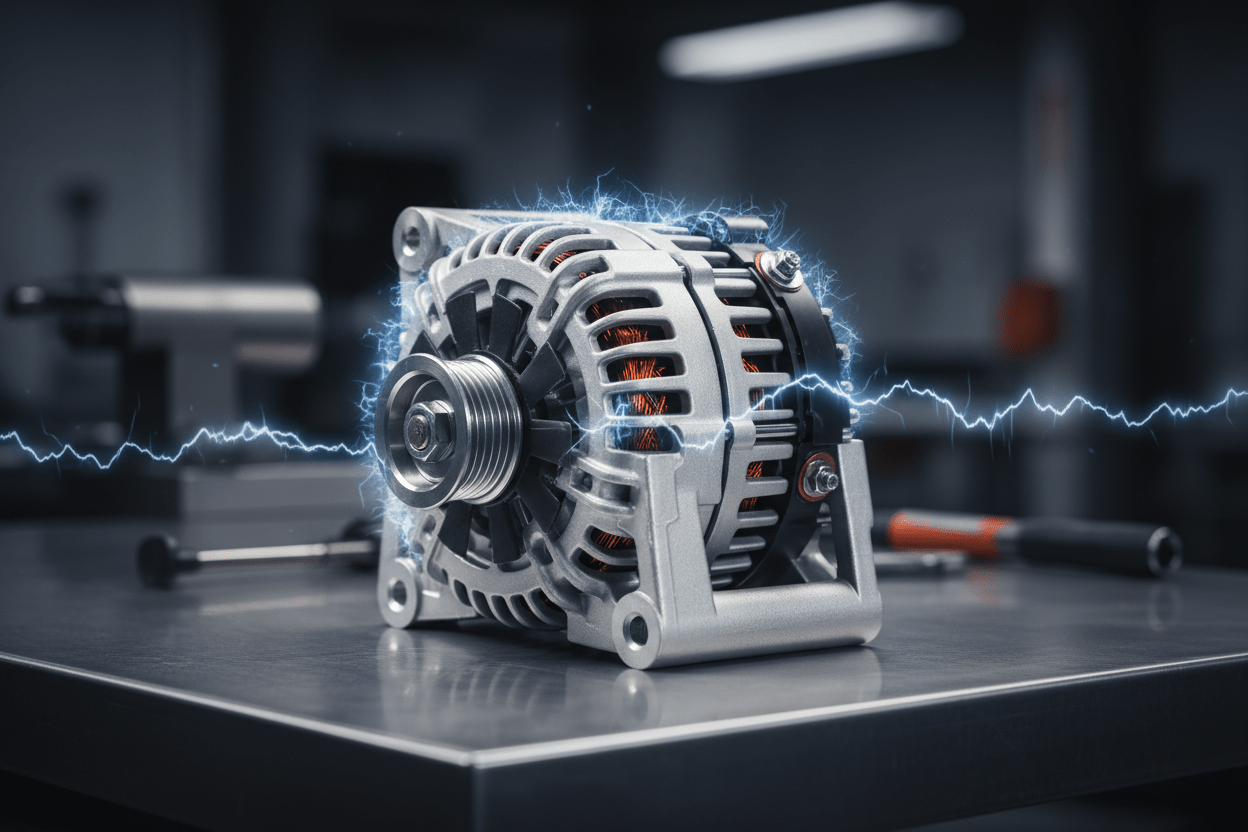
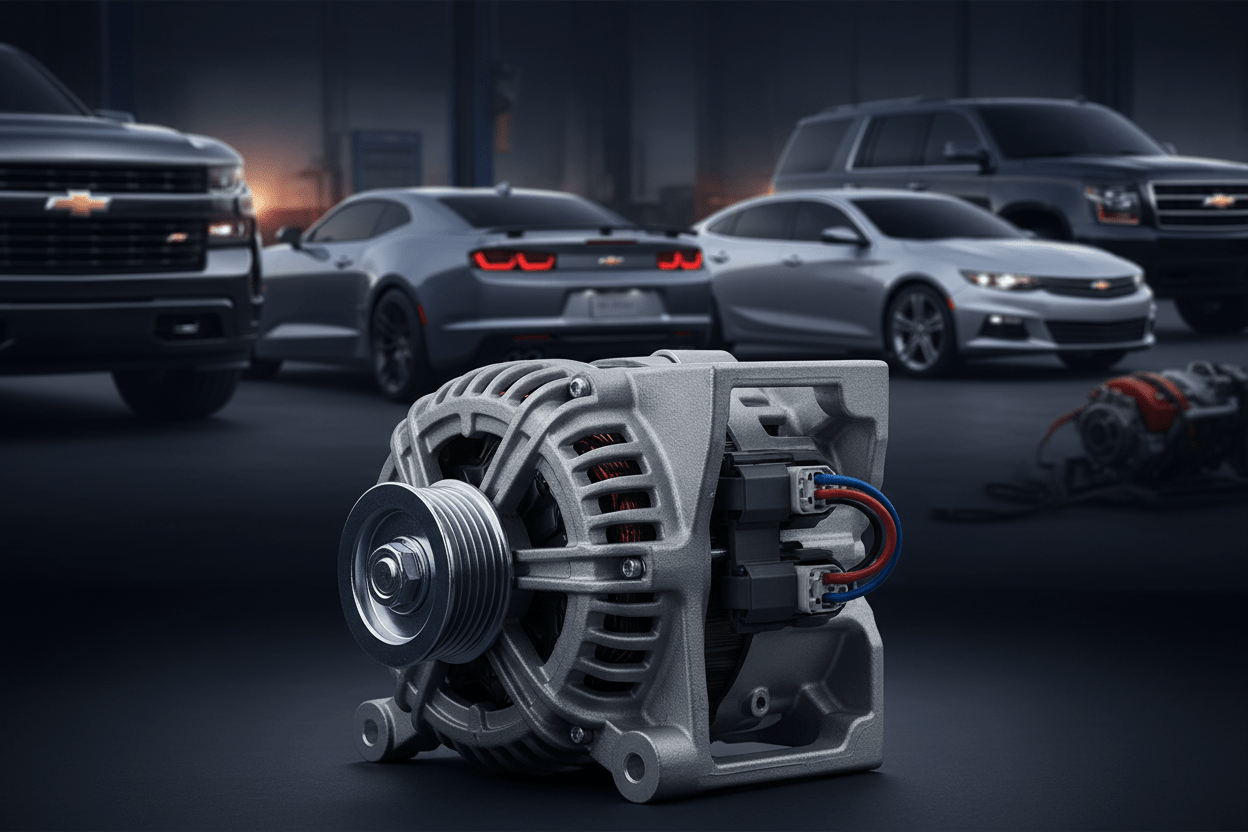
When drivers search for a replacement alternator, many assume every Chevrolet alternator works the same way. In reality, alternators vary significantly depending on the Chevy model, engine configuration, electrical demand, and intended vehicle use. From compact sedans to heavy duty trucks, Chevrolet designs charging systems around the specific needs of each platform.
At Rebuild Masters, we regularly help customers identify the correct alternator for their Chevrolet vehicle because even small differences in amperage, mounting design, pulley configuration, or connector style can create installation and performance problems. Understanding how alternators differ across popular Chevy models can help vehicle owners make smarter repair and replacement decisions.
Why Chevy Alternators Are Not Universal
An alternator’s primary role is to generate electricity while the engine runs. It powers the vehicle’s electrical systems and keeps the battery charged. However, the amount of power required varies dramatically between different Chevrolet models.
A compact commuter vehicle with basic electronics places far less demand on the charging system than a full size Silverado towing heavy loads with upgraded lighting, infotainment systems, trailer brake controllers, and auxiliary accessories. Chevrolet engineers alternators to match these different operating conditions.
The result is a wide range of alternator designs across the Chevy lineup. Differences can include output capacity, regulator technology, cooling methods, pulley sizes, housing dimensions, and computer communication systems.
Chevrolet Silverado Alternators
The Chevrolet Silverado is one of the most demanding platforms for alternators. Trucks typically require higher output units because they support towing equipment, work accessories, larger batteries, and extended idle times.
Silverado alternators often range from 145 amp to over 220 amp capacity depending on engine size and trim level. Heavy duty versions such as the Silverado 2500HD and 3500HD usually feature more robust internal components designed to withstand higher heat loads and continuous electrical demand.
Diesel powered Silverados often use even larger alternators because glow plugs, high capacity cooling systems, and additional electronics require substantial charging power. Some diesel applications also include dual alternator setups for commercial or fleet use.
Another important distinction is mounting style. Silverado alternators are generally larger and use truck specific brackets that differ from passenger car configurations.
Chevrolet Malibu Alternators
The Chevrolet Malibu uses a much lighter duty charging system compared to Chevy trucks. Most Malibu alternators prioritize fuel efficiency, compact packaging, and reduced engine drag.
Output ratings commonly fall between 110 and 150 amps depending on the engine and available technology package. Newer Malibu models equipped with advanced driver assistance systems, touchscreen infotainment, heated seats, and start stop technology may require upgraded alternators with more sophisticated voltage regulation.
Modern Malibu charging systems also communicate closely with the vehicle’s engine control module. The alternator may adjust charging rates dynamically to improve fuel economy and battery longevity. Because of this, installing the wrong alternator can trigger charging faults or warning lights.
Chevrolet Tahoe and Suburban Alternators
SUVs like the Tahoe and Suburban occupy a middle ground between passenger cars and heavy duty trucks. These vehicles often include powerful climate control systems, rear entertainment packages, power liftgates, and third row electronics that place higher loads on the charging system.
Alternators in these SUVs are typically high output units capable of supporting extensive accessory operation during long trips or idling conditions. Police and fleet versions frequently include upgraded alternators specifically designed for emergency lighting, radios, and continuous idle operation.
Cooling is another major factor in Tahoe and Suburban alternators. Since these vehicles may spend significant time towing or operating in hot climates, alternator housings are often engineered for better airflow and thermal management.
Chevrolet Equinox Alternators
The Equinox crossover focuses more on efficiency and daily drivability. Its alternators are generally smaller and lighter than those found in trucks or large SUVs.
However, newer Equinox models include increasingly sophisticated electrical systems. Features such as lane assist, adaptive cruise control, smartphone integration, and electronic steering systems increase charging demands compared to older generations.
Turbocharged Equinox engines can also affect alternator design because tighter engine bay packaging requires more compact housings and different mounting geometries.
At Rebuild Masters, we often see customers surprised that even two Equinox models from nearby production years may use completely different alternators due to engine changes or updated electronics.
Chevrolet Camaro Alternators
Performance vehicles like the Camaro require alternators that balance power generation with high RPM durability. Camaro alternators are often designed to perform consistently during aggressive acceleration and spirited driving.
High performance variants such as the Camaro SS or ZL1 may use higher output charging systems to support cooling fans, fuel systems, electronic suspension controls, and performance monitoring features.
Pulley ratios also matter more in performance applications. Engineers carefully select pulley sizes to maintain charging efficiency without creating unnecessary engine drag at high RPM levels.
Because engine bays are tighter in sports cars, alternator size and heat resistance become especially important considerations.
Chevrolet Traverse Alternators
The Traverse family SUV uses alternators engineered for comfort oriented electrical loads. Power sliding features, advanced safety systems, rear climate control, and multiple charging ports all contribute to steady electrical demand.
These alternators are usually designed for smooth voltage delivery and quiet operation rather than maximum output. Since family SUVs often spend time in stop and go traffic, stable charging performance during low RPM driving is especially important.
Many newer Traverse models also include smart charging systems that adjust output based on battery condition and vehicle operating conditions.
Older Chevy Alternators Versus Modern Designs
One of the biggest differences across Chevrolet alternators involves technology generation. Older Chevy vehicles often used simpler internally regulated alternators with fewer communication functions.
Modern Chevy alternators are far more advanced. Many now interact directly with onboard computers and battery monitoring systems. Some variable voltage systems intentionally reduce alternator load during acceleration to improve fuel economy.
This means compatibility matters more than ever. An alternator that physically fits may still fail electronically if it does not match the vehicle’s computer requirements.
The Importance of Correct Amperage
Many customers believe installing the highest amperage alternator available is always beneficial. In reality, the correct output depends on the vehicle’s electrical architecture.
Too little output can lead to dim lights, battery drain, and charging failures. Excessively high output without proper system compatibility may stress wiring or create unnecessary load.
Chevrolet carefully matches alternator capacity to each vehicle’s wiring, battery specifications, and onboard electronics. That is why selecting the proper replacement unit matters so much.
Signs Your Chevy Alternator May Need Replacement
Alternator failure symptoms can vary depending on the Chevy model and charging system design. Common warning signs include dim headlights, battery warning lights, electrical malfunctions, weak starting performance, flickering dashboard lights, or unusual whining noises.
In modern Chevrolet vehicles, charging system problems may also trigger computer related fault codes or intermittent accessory shutdowns.
Early diagnosis is important because a failing alternator can quickly damage the battery and create additional electrical issues.
Choosing the Right Replacement Alternator
When replacing a Chevrolet alternator, vehicle owners should consider more than basic fitment. Engine size, trim package, tow package, factory electronics, and production year can all affect alternator compatibility.
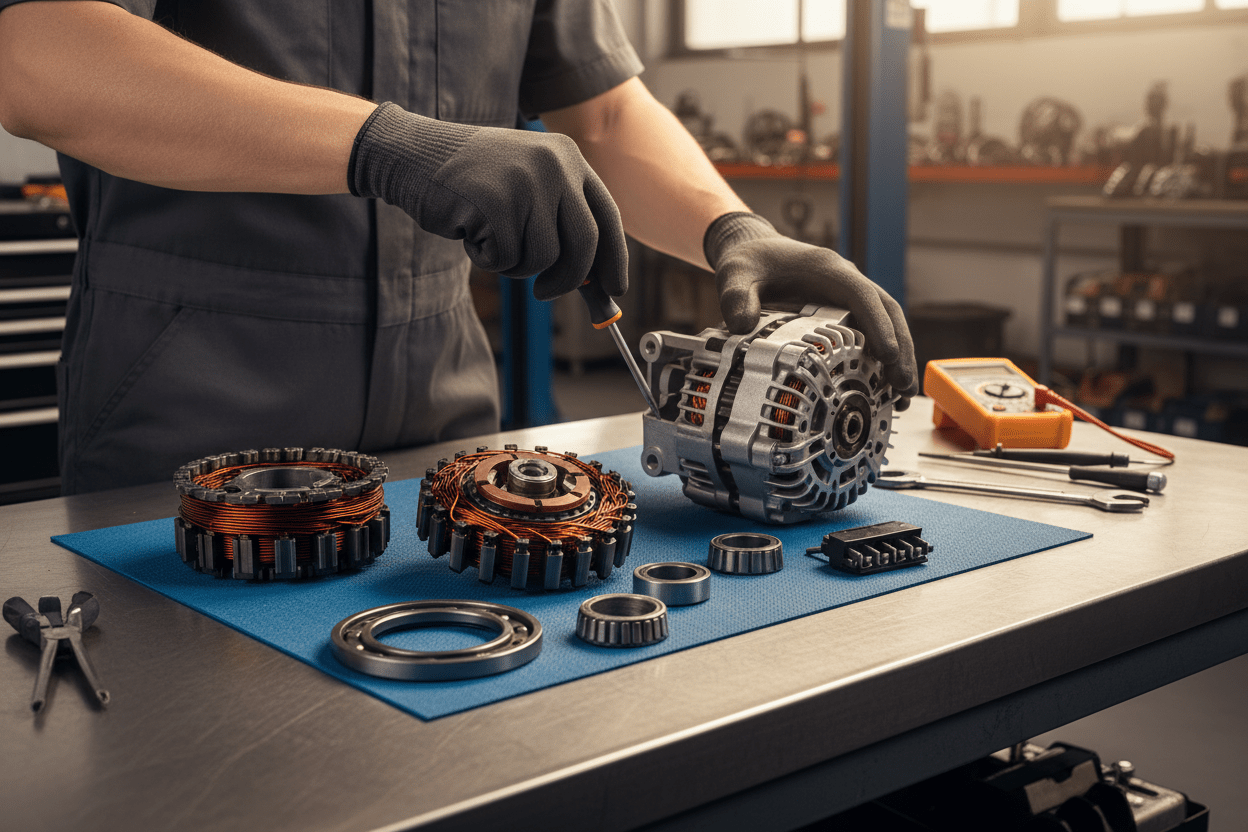
Rebuilt alternators are often an excellent solution when properly remanufactured using high quality components and tested under real operating conditions. A professionally rebuilt unit can restore factory performance while offering substantial value compared to lower quality replacements.
At Rebuild Masters, we focus on supplying dependable rebuilt alternators designed to match the original specifications of each Chevrolet application. Whether the vehicle is a daily driver Malibu, a work ready Silverado, or a performance Camaro, choosing the right alternator helps ensure long term reliability and stable charging performance.
Chevrolet alternators differ significantly across the brand’s most popular models because every vehicle has unique electrical demands and engineering requirements. Trucks need heavy duty output, performance cars require high RPM durability, and family SUVs depend on stable power delivery for advanced electronics.
Understanding these differences can help drivers avoid compatibility issues, electrical problems, and premature failures. Whether replacing a worn alternator or upgrading a charging system, matching the correct unit to the specific Chevy model is essential for dependable operation.
For drivers seeking reliable rebuilt Chevy alternators backed by careful testing and application accuracy, Rebuild Masters continues to provide solutions tailored to the unique demands of Chevrolet vehicles.