Cart
0
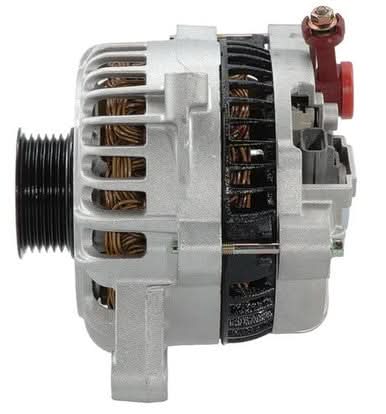
The Circular Power Economy: Why Refurbished Alternators Are Driving a Smarter Automotive Future
The automotive industry is undergoing a quiet but powerful transformation. While much attention is given to electric vehicles and advanced driver systems, there is another movement gaining momentum beneath the surface. It is the shift toward circular engineering practices, where components are restored, reused, and reintegrated instead of discarded. At the center of this shift sits one of the most overlooked yet essential parts of any vehicle: the alternator.
We believe refurbished alternators are not just a cost saving option. They represent a smarter, more sustainable, and performance driven approach to vehicle maintenance.
Rethinking the Role of the Alternator
The alternator is the backbone of a vehicle’s electrical ecosystem. It powers everything from ignition systems to infotainment, battery charging, and onboard sensors. In modern vehicles, where electronics dominate functionality, the demand on alternators has increased significantly.
Yet when an alternator fails, many vehicle owners default to replacement with a new unit. This approach ignores a critical reality. Most alternators fail due to wear in a few key components such as bearings, brushes, or voltage regulators. The core structure often remains intact and highly reusable.
This is where refurbishment becomes not just viable, but strategically superior.
What Makes Refurbished Alternators Technically Reliable
Refurbishment is not a basic repair job. It is a structured engineering process that restores an alternator to optimal working condition through precise diagnostics, component replacement, and rigorous testing.
At Rebuild Masters, we approach refurbishment as a full system restoration rather than a quick fix. Each alternator undergoes:
• Complete disassembly and inspection
• Replacement of worn or failure prone components
• Cleaning and surface treatment to remove corrosion and contaminants
• Reassembly using calibrated torque and alignment standards
• Load testing under real world operating conditions
This ensures that the alternator is not just functional, but dependable under stress.
The Hidden Economic Advantage
Many customers initially consider refurbished alternators for cost savings, and the difference can be substantial. However, the deeper economic advantage lies in value retention.
A refurbished alternator delivers comparable performance to a new unit at a fraction of the cost. For fleet operators, logistics companies, and workshops managing multiple vehicles, this translates into significant operational savings without compromising reliability.
We have seen that when refurbishment is integrated into maintenance strategies, businesses can extend vehicle lifecycles and reduce capital expenditure over time.
Sustainability Without Compromise
Automotive waste is a growing global concern. Discarded components contribute to landfill accumulation and increase the demand for raw materials. Manufacturing new alternators requires energy intensive processes involving metals, plastics, and electronic components.
Refurbishing alternators reduces environmental impact by:
• Minimizing material waste
• Lowering energy consumption associated with manufacturing
• Extending the lifecycle of existing components
• Supporting circular supply chains
Choosing a refurbished alternator is not just a financial decision. It is an environmentally responsible one that aligns with modern sustainability goals.
Performance in Modern Vehicles
A common misconception is that refurbished alternators are only suitable for older vehicles. This is no longer accurate. With advancements in diagnostic tools and component sourcing, refurbished alternators can meet the demands of modern vehicles equipped with advanced electronics.
We ensure compatibility with current vehicle requirements by updating critical components and verifying output stability across varying loads. This allows refurbished units to perform reliably even in vehicles with high electrical demands.
Quality Control as a Differentiator
Not all refurbishment processes are equal. The quality of a refurbished alternator depends heavily on the expertise, testing protocols, and component standards used during restoration.
At Rebuild Masters, quality control is central to our process. Every unit is subjected to detailed inspection and performance validation before it reaches the customer. This commitment ensures consistency, reliability, and long term functionality.
Our approach transforms refurbishment from a secondary option into a primary solution.
When Refurbishment Makes the Most Sense
Refurbished alternators are particularly beneficial in the following scenarios:
• Fleet maintenance where cost efficiency and uptime are critical
• Older vehicles where new parts may be expensive or difficult to source
• Commercial vehicles that require dependable yet economical solutions
• Customers seeking environmentally conscious automotive choices
In each case, refurbishment provides a balanced combination of performance, cost savings, and sustainability.
The Future of Automotive Components
The concept of a circular power economy is gaining traction across industries. In automotive systems, this means maximizing the value of every component through intelligent reuse and restoration.
Refurbished alternators are a practical example of this philosophy in action. They demonstrate that high performance and sustainability can coexist without compromise.
At Rebuild Masters, we are committed to advancing this approach by delivering expertly restored alternators that meet modern performance standards while reducing environmental impact.
The decision to choose a refurbished alternator is no longer just about saving money. It is about making a strategic choice that supports efficiency, reliability, and sustainability.
As vehicles become more complex and resource demands increase, the importance of refurbishment will only grow. By embracing this approach, we move toward a smarter automotive future where performance and responsibility go hand in hand.
Rebuild Masters stands at the forefront of this shift, offering solutions that redefine how we think about automotive components and their lifecycle.